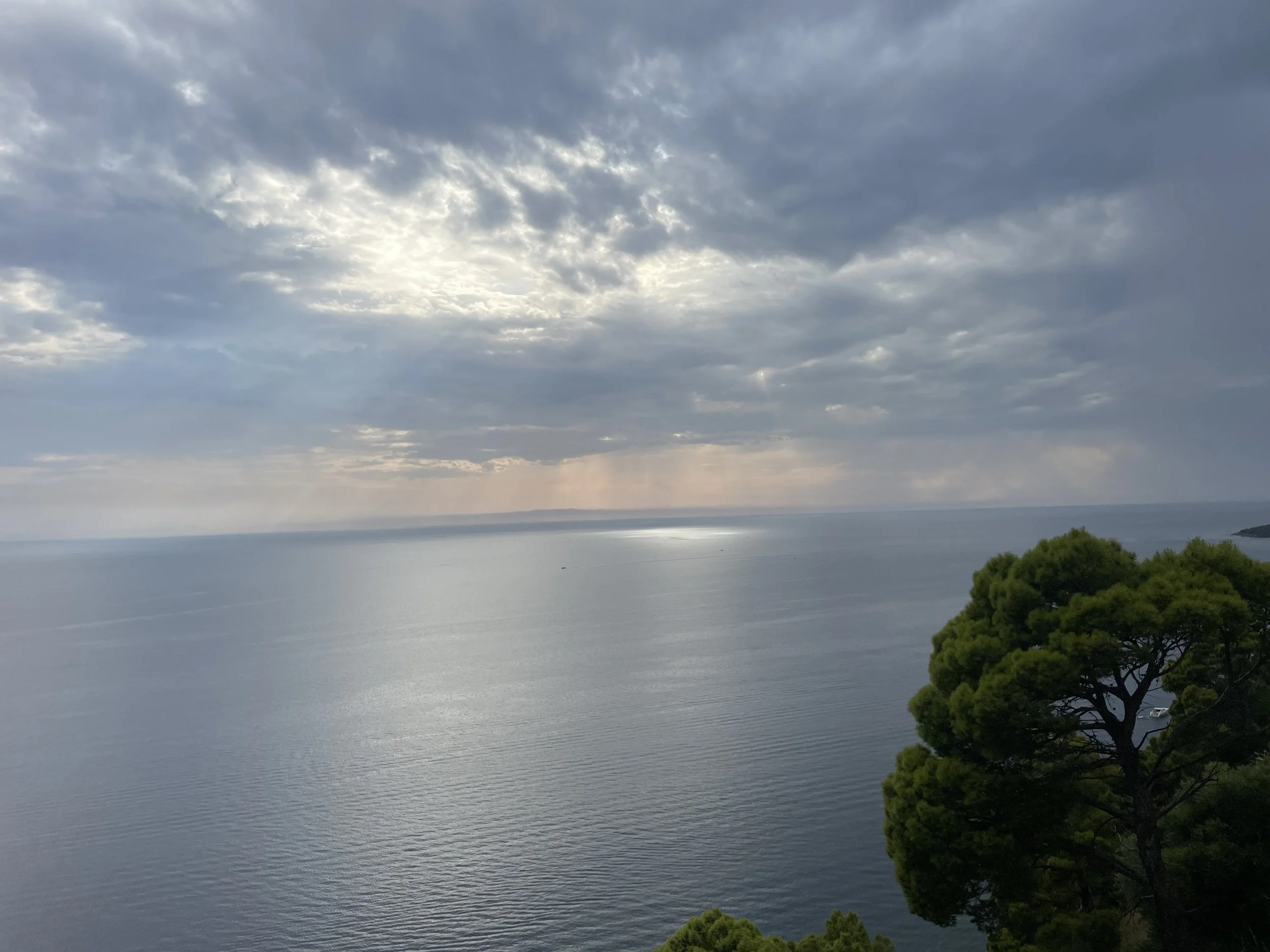
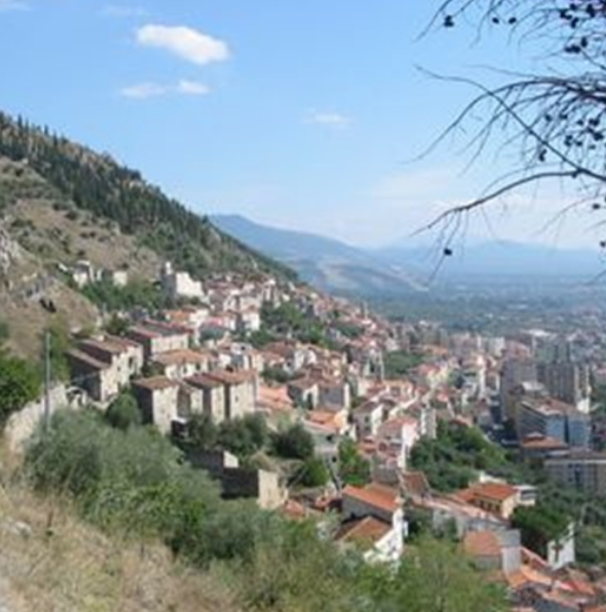
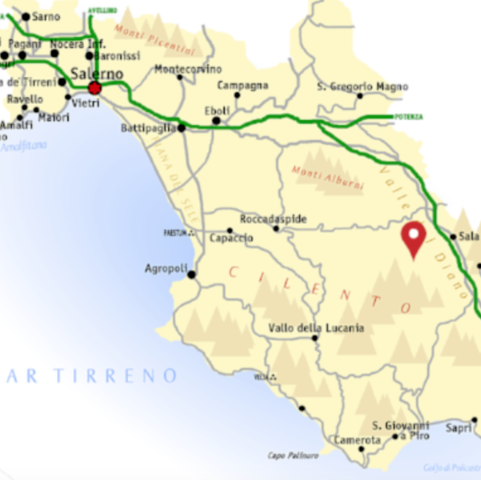
The Vallo di Diano and the Parco Nazionale del Cilento, Vallo di Diano e Alburni are gems in the “other Italy,” easily reachable from abroad via airports in Rome and Naples, and by railway via Salerno. For travelers heading south to Puglia, Calabria, Basilicata (home of Matera - 2019 European Capital of Culture), and Sicily, the Vallo is worthwhile a pause in their journey. Gems of this land include la Certosa di San Lorenzo (Padula), le Grotte di Pertosa-Auletta, il Battistero di San Giovanni in Fonte (Padula), and the Parco Nazionale del Cilento e del Vallo di Diano. A beautiful drive through the mountains will get you to the Greco-Roman sites of Paestum and to the splendid beach of Acciaroli, and to the south, Maratea and Scario, hidden pearls of the Basilicata coast, and much more.
The Vallo di Diano and the Parco Nazionale del Cilento, Vallo di Diano e Alburni are gems in the “other Italy,” easily reachable from abroad via airports in Rome and Naples, and by railway via Salerno. For travelers heading south to Puglia, Calabria, Basilicata (home of Matera - 2019 European Capital of Culture), and Sicily, the Vallo is worthwhile a pause in their journey. Gems of this land include la Certosa di San Lorenzo (Padula), le Grotte di Pertosa-Auletta, il Battistero di San Giovanni in Fonte (Padula), and the Parco Nazionale del Cilento e del Vallo di Diano. A beautiful drive through the mountains will get you to the Greco-Roman sites of Paestum and to the splendid beach of Acciaroli, and to the south, Maratea and Scario, hidden pearls of the Basilicata coast, and much more.



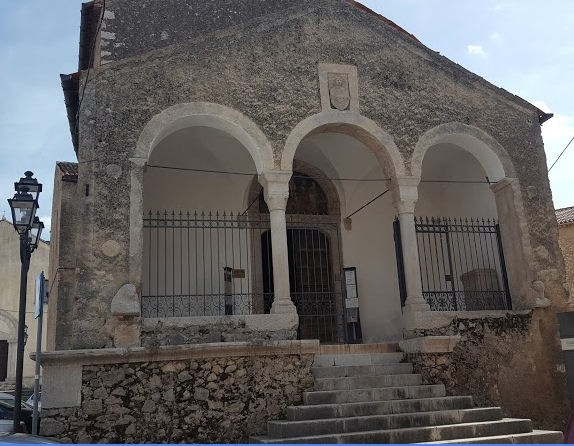
E in questo silenzio uno assapora i suoi sogni ad occhi aperti.
And in this silence one tastes his dreams with open eyes.
— Rocco Scotellaro
Castello Macchiaroli
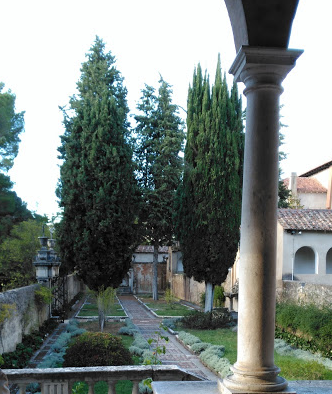
Perched on a hill, in the middle of the Vallo di Diano, eighty kilometers south of the province of Salerno, Castello Macchiaroli, is one of the important fortresses of Southern Italy. Built during the Middle Ages, Castello Macchiaroli has been at the center of historical strife, including the Conspiracy of the Barons in 1485, when it belonged to the Sanseverino family. The Castello successfully overcame the two-month-long siege by armies of King Federico D'Aragona. The Macchiaroli family took ownership in 1860 and since has largely restored, transforming it into a fairytale residence.
In recent years, Gisella Macchiaroli has stewarded the Castello through restoration and renovation -- rebuilding the ancient walkway, returning the majestic towers to their former glory, and removing architectural barriers to make the Castello more accessible to everyone. Today, under Gisella’s guidance, the Castello is an elegant and refined residence for the Macchiaroli family and the center of historical re-enactments and cultural happenings for the community.
With the launch of BACAS, a new chapter was proposed for the Castello Macchiaroli -- one in which it becomes a place for artistic and cultural residency programs and laboratories.
Certosa di San Lorenzo
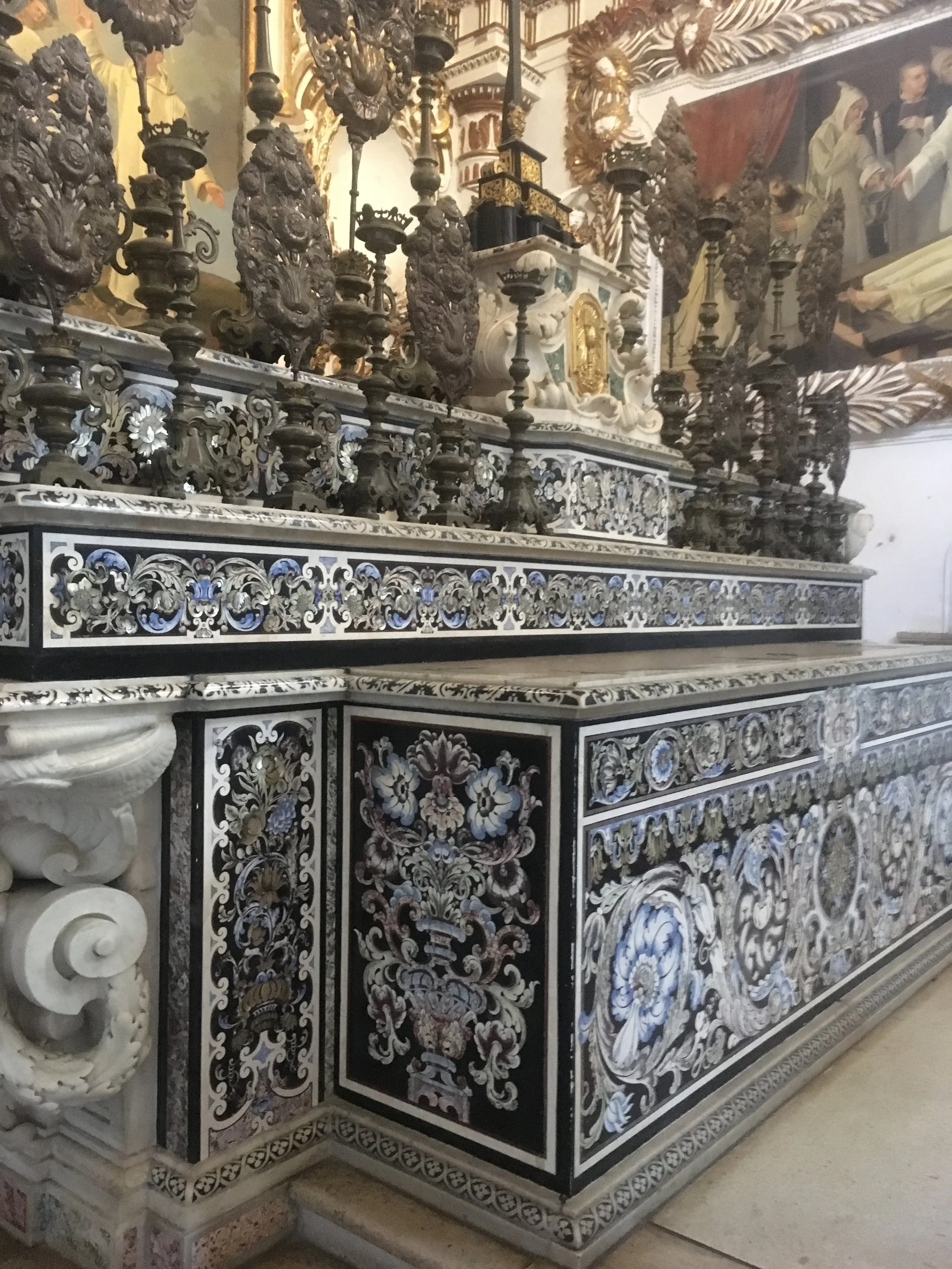
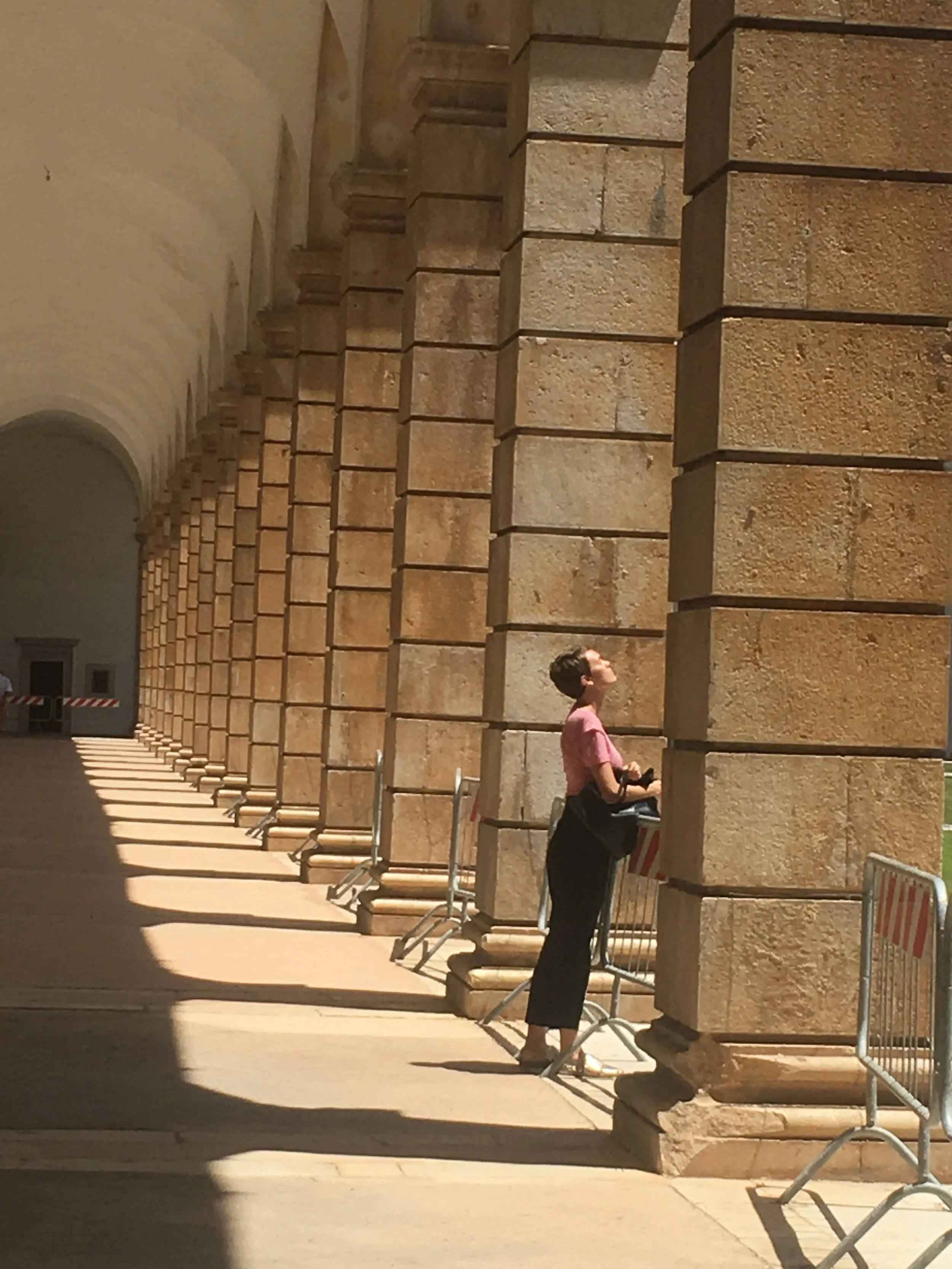
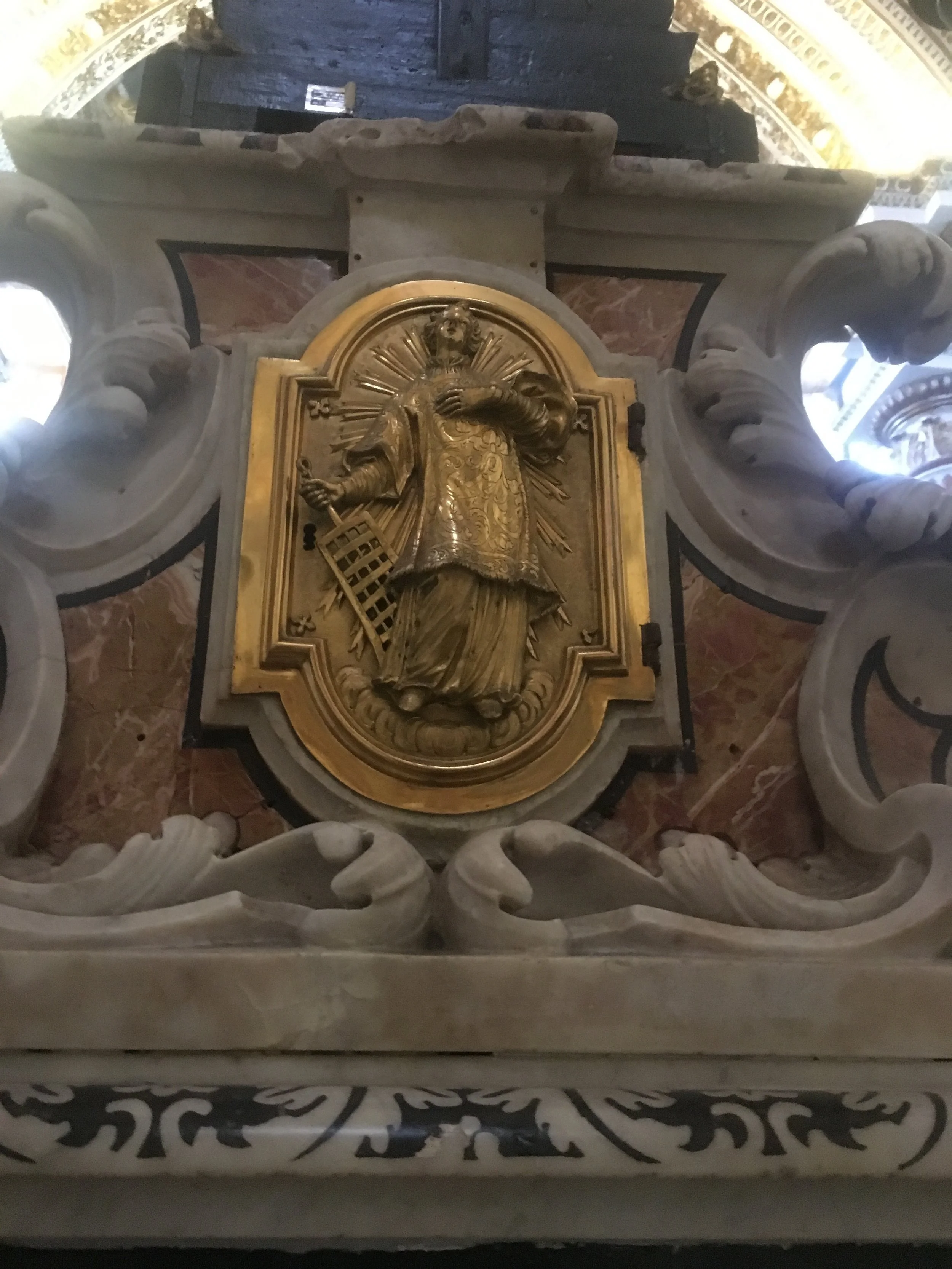
The Certosa di Padula or Certosa di San Lorenzo, (Saint Lawrence, the saint after whom it is named) is a Carthusian monastery or charter house, located in Padula, a small town in the Parco del Cilento, Vallo di Diano e Alburni National Park, in the region of Campania - Southern Italy. The monastery was founded on April 27, 1306 by Tommaso di San Severino, of the noble house of San Severino. Supposedly, the floor plan layout of the charter house is modeled after the geometry of the forged iron griddle used to burn Saint Lawrence alive. This absolutely majestic monastery is the largest in Italy, with a footprint covering 12.7 acres. It houses 320 rooms and halls. Eighty-four columns grace its three acre cloister expanse, making it the largest cloister in the world.
Its building history spans 450 years, but the principal parts of the buildings are from the Baroque period. The Certosa di Padula is a UNESCO World Heritage site and home to the archaeological museum of western Lucania, housing a collection of artifacts from the excavations of the nearby necropolises of Sala Consilina and Padula, dating from protohistory to the Hellenistic Age.
Over the centuries it has also been a location used by warring armies; the French made it their headquarters during the Napoleonic War’s occupation and stripped it of its wealth; it was Garibaldi’s Southern Army’s base during the unification of Italy; and most recently it served as an internment camp for prisoners in both World Wars.